

SLOW-RELEASE + ENHANCED-EFFICIENCY FERTILIZER
More Bushels. More Profit. Less Waste.
Reform Bio creates biochar-based slow-release and enhanced-efficiency fertilizers designed to keep nutrients working longer, improve crop availability, and reduce the losses common with conventional fertilizers.
THE CHALLENGE
Nitrogen fertilizer is too important to farms to risk.
Applied nutrients do not always stay available long enough for the crop to use them. Loss, timing, weather, additional passes, and volatile fertilizer prices all add risk to a fertility program.
- Nutrients can leave the root zone before crops use them.
- In-season applications create weather, labor, and timing dependencies.
- Fertilizer-price volatility increases the value of nutrient efficiency.

THE CHALLENGE
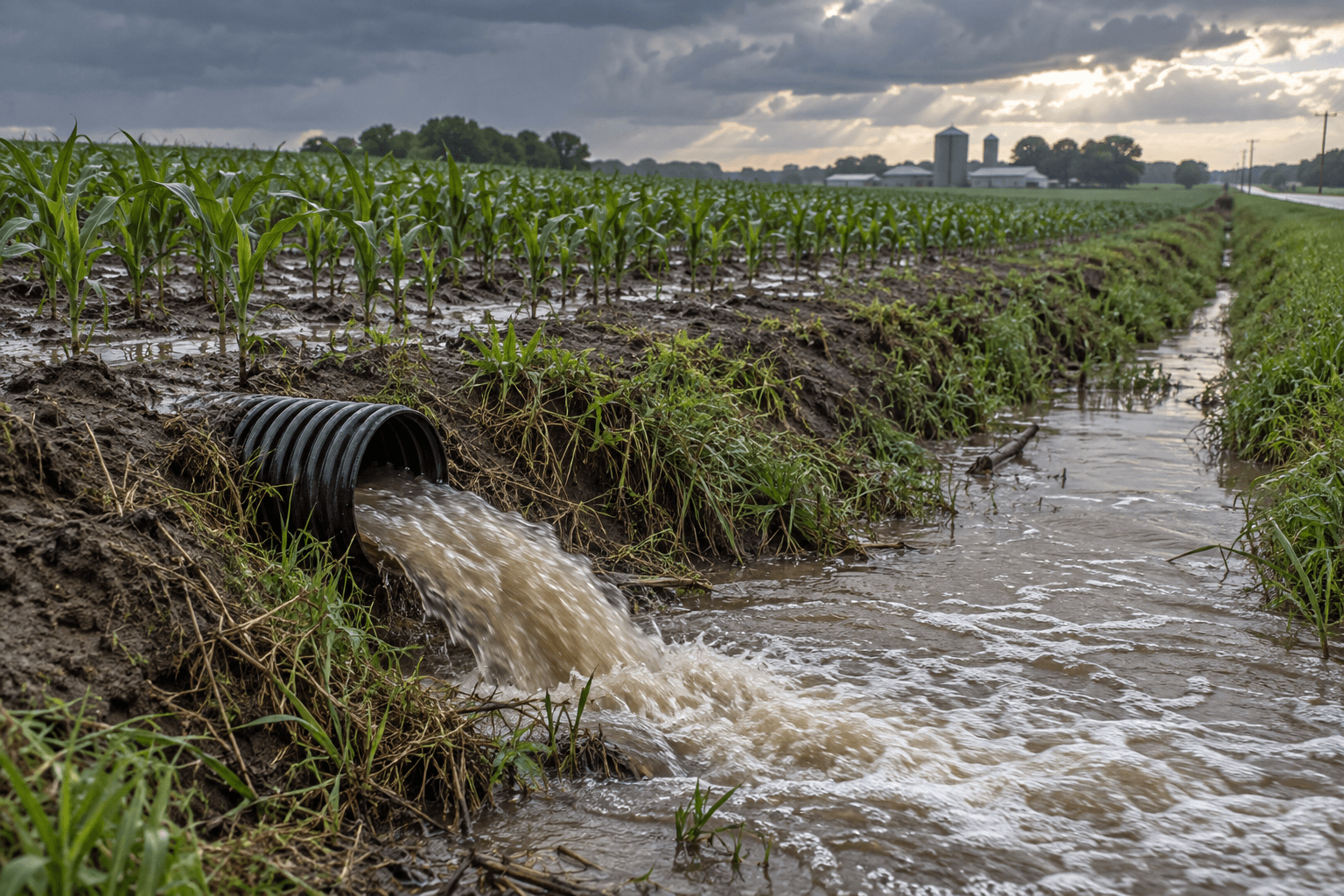
When nutrients leave the field, we all lose.
Applied nutrients that escape the root zone do not simply disappear. They become economic losses for growers and environmental problems downstream.
- Nitrate can move into groundwater, putting drinking water quality at risk.
- Nutrient runoff can fuel algal blooms, degrading rivers, lakes and aquatic ecosystems.
- Nitrogen can also be lost to the atmosphere, including as nitrous oxide, a potent greenhouse gas.
PRODUCTS
Fertilizer, Reformed.
Reform Bio builds a platform of conventional and organic fertilizers around one idea: control nutrient availability instead of accepting immediate release and preventable loss.
Nitrogen Reformed™
Conventional
Slow-release nitrogen fertilizer designed to improve nitrogen efficiency, reduce losses, and better align nitrogen availability with crop uptake.
N/K Reformed Organic™
Organic / regenerative
Enhanced-efficiency organic fertilizer designed to deliver more consistent manure-derived nitrogen and potassium with improved handling, nutrient uniformity, and retention.
P Reformed Organic™
Organic / regenerative
Enhanced-efficiency organic phosphorus fertilizer designed to separate and stabilize manure-derived phosphorus for more precise fertility management.
Phosphorus Reformed™
Conventional
Slow-release phosphorus fertilizer in development using engineered biochar to retain and regulate phosphorus availability.
This is a game changer for corn farmers when you compare it to traditional organic fertilizers. Your products are the future, we want this fertilizer on all of our acres.
SCIENCE & TECHNOLOGY
Not a coating. Not a soil amendment. A nutrient delivery chassis.
We use engineered biochar as a nutrient chassis to retain nutrients, regulate release, and support longer nutrient availability in the root zone.
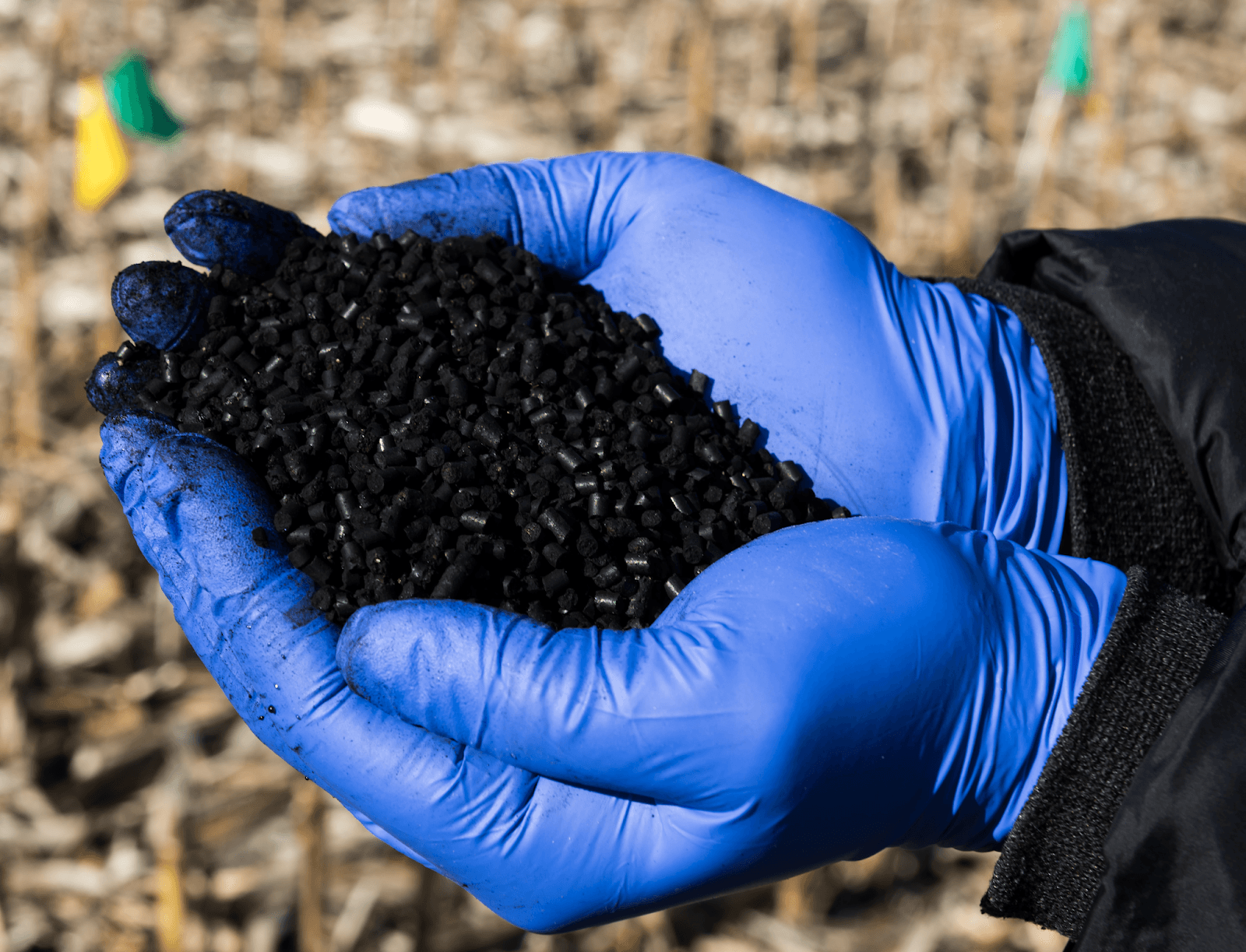
Urea associates with the activated biochar surface through chemical interaction.
Pelletization reinforces moisture- and time-dependent release.
Multiple release pathways extend nitrogen availability in the root zone.
EVIDENCE
From material science to field validation.
Reform Bio's technology was born out of Iowa State University Bioeconomy Institute. Our co-founder Santanu Bakshi is a PhD researcher at ISU, he is the inventor of our I.P. and patent. Product development has progressed through materials research, controlled release testing, greenhouse studies, and field validation.
Lysimeter study
Slower nitrogen release vs. bare urea
Source: Iowa State lysimeter column studies, 2026
Greenhouse maize study
Higher nitrogen recovery efficiency (REN)
17% to 50% versus traditional comparators, depending on formulation and soil.
Source: Journal of Environmental Quality, 2023
Company / platform
Iowa State and USDA-supported R&D

Become an early adopter with the chance to be a Founding Grower and put more of your fertilizer investment to work.
- Improve nutrient efficiency
- Compatible with dry spreading equipment
- Improved farm economics

Bring differentiated fertilizer technology through your agronomy and sales channels growers already trust.
- Product fit assessment
- Rights to regions for exclusive retailers
- Margins are comparable or better per acre than standard fertilizers

Turn residual biomass into a higher-value agricultural input and participate in carbon offtake markets.
- Feedstock offtake agreements
- Partner on regional production
- Scale carbon offset manufacturing

Improve upstream fertilizer efficiency, reduce carbon intensity and environmental impact across your grower network.
- Nutrient efficiency
- Grower adoption
- Traceable carbon sequestration, CO2 and Nitrous Oxide emission reductions